Corporate apparel is more than putting a logo on a shirt.
The right clothing can help employees feel part of the team, make your brand more recognisable and give customers a consistent experience across your business. But choosing corporate apparel isn't always straightforward. There are different roles to consider, different working environments, different preferences, and of course, different budgets.
A polo that works well for an office team might not be suitable for someone working outdoors. A smart jacket might look great for client meetings but be completely impractical for an active event team. So rather than starting with “What shirt should we get?”, it's worth starting with a bigger question: What does your team actually need from its apparel?
This guide looks at how to choose corporate apparel and uniforms that work for your people, your brand and the way your business operates.
Red Tomato Snapshot
Good corporate apparel should work for both the person wearing it and the brand behind it.
Before choosing garments, think about:
- Purpose - What will the apparel be used for?
- People - Who will be wearing it?
- Work environment - Where and how will they be working?
- Comfort - Will people actually want to wear it?
- Branding - How should your brand appear?
- Quality - Will the garments hold up to regular use?
- Consistency - Do you need the same look across teams or locations?
- Budget - What makes sense for the size and frequency of your program?
Getting these things right at the beginning can save a lot of headaches later, particularly when you're ordering apparel for a growing team.

What Is Corporate Apparel?
Corporate apparel is branded clothing used by businesses to create a consistent and recognisable look across employees, teams, events or other business activities. It can include much more than a traditional uniform.
Depending on the business, corporate apparel might include:
- polos and shirts
- jackets and outerwear
- T-shirts
- corporate dresses and skirts
- knitwear
- workwear
- caps and headwear
- branded activewear
- event apparel
- accessories
Some businesses need a formal uniform that employees wear every day. Others might simply want branded clothing for trade shows, events or casual team activities. That's why corporate apparel is often a broader term than corporate uniforms. A uniform is usually part of an ongoing dress requirement, while corporate apparel can cover anything from everyday workwear to occasional branded clothing.
Do Businesses Really Need Company Uniforms?
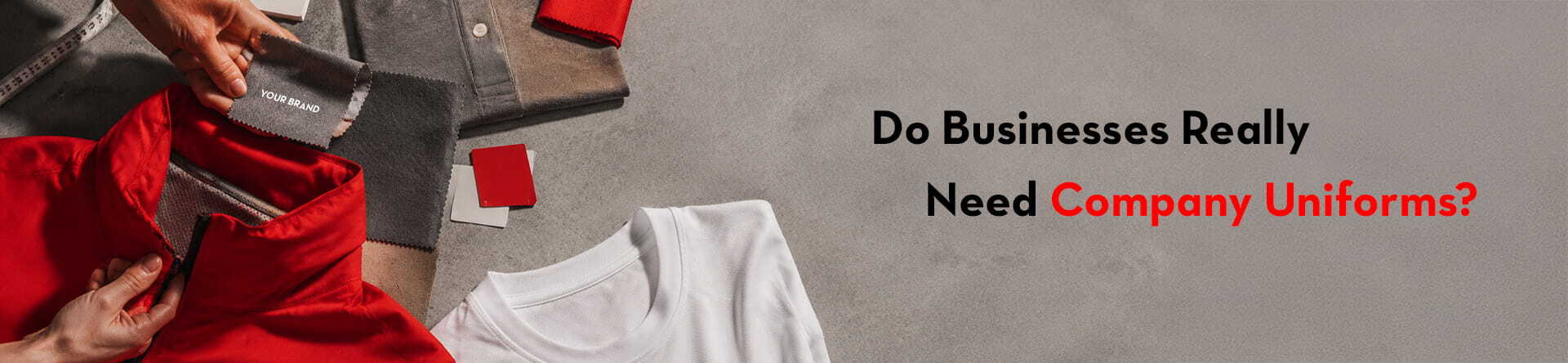
Not every business needs a traditional uniform. For some organisations, uniforms are important for professionalism, safety and consistency. For others, a more flexible corporate apparel program makes more sense. It depends on what your employees do, how customer-facing they are and what you want the clothing to achieve.
For example, a hospitality team may need a consistent uniform every day, while a professional services company might only need branded polos or jackets for events and team activities. If you're trying to decide whether a uniform makes sense for your organisation, our article Are Company Uniforms Necessary? Here's Everything You Need to Know goes into this in more detail.
Red Tomato Insight:
Corporate Apparel vs Corporate Uniforms
The two terms are often used interchangeably, but there is a useful distinction. Corporate uniforms are generally more structured. Employees may be expected to wear specific garments or colours as part of their role. Corporate apparel can be much more flexible. It might include branded clothing that employees wear at events, on certain days or when representing the business externally.
Neither approach is automatically better. The right option depends on your workplace, employees and brand. You might even use both. For example, a company could have a standard uniform for customer-facing employees while providing branded jackets, polos or T-shirts for events and internal activities.
Choosing the Right Corporate Apparel for Your Team
This is where things can get a little more complicated.
It's tempting to choose a garment because it looks good in a catalogue. But what looks good on a product page isn't necessarily going to work for your employees.
Start With the Job
Think about what people actually do during the day. Are they sitting at a desk? Meeting clients? Working outdoors? Moving between locations? Working in a warehouse? Attending events? The answer should influence the garment you choose.
Someone working outdoors may need breathable, durable clothing that can handle regular washing. Someone in a client-facing role may need something more polished. The garment should fit the job rather than forcing the job to fit the garment.
Think About Comfort
This sounds obvious, but it's one of the easiest things to overlook. If a garment is uncomfortable, too hot, too stiff or doesn't fit properly, employees aren't going to be excited about wearing it.
Consider:
- fabric
- breathability
- weight
- fit
- movement
- weather conditions
- frequency of wear
- washing requirements
Comfort isn't just an employee benefit. It can affect how consistently the apparel is actually worn.
Consider Your Brand
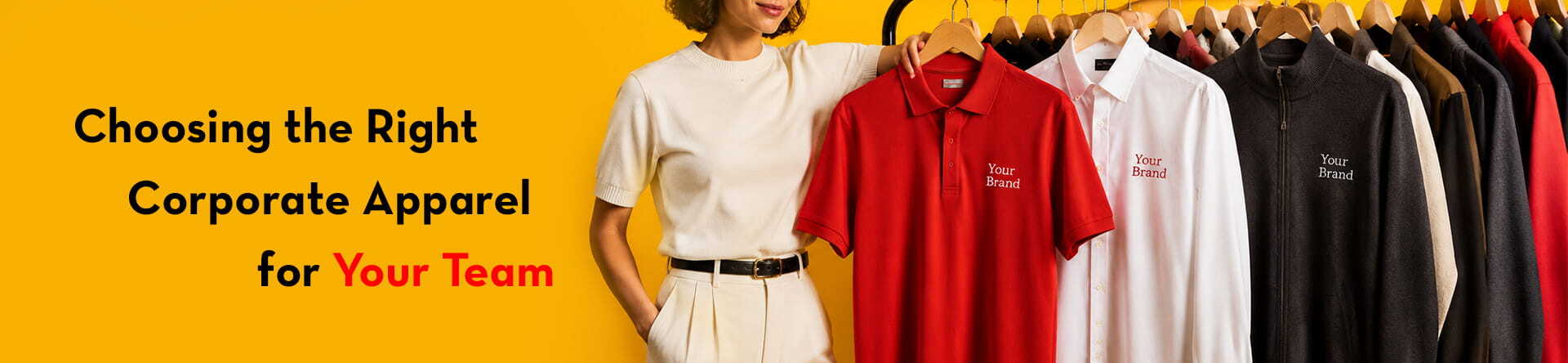
Your corporate apparel should feel like an extension of your brand. That doesn't necessarily mean covering every garment in a huge logo. Sometimes a small embroidered logo, subtle brand colour or well-designed placement can look much more professional. Think about the overall impression you want to create.
Do you want the apparel to feel:
- professional?
- approachable?
- premium?
- practical?
- energetic?
- modern?
The garment, colour, decoration and placement can all contribute to that impression.
Red Tomato Insight:
Choosing Garments for Different Workplaces
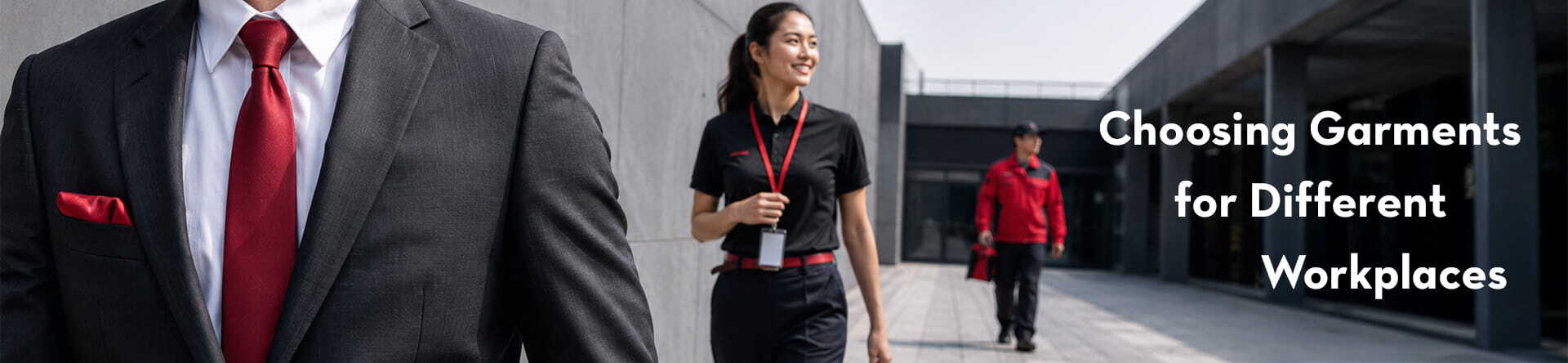
There isn't one perfect corporate uniform. The best garment depends heavily on the environment it's being worn in.
Office and Professional Teams
For office-based teams, businesses often have more flexibility. Shirts, polos, knitwear, jackets and smart casual pieces can all work depending on the organisation's culture and how formal the workplace is. The goal is usually to look polished without making employees feel like they're wearing something completely disconnected from their normal style.
Customer-Facing Teams
If employees regularly interact with customers, consistency becomes more important. A recognisable uniform can make it easier for customers to identify staff and can help create a more consistent experience across locations. This could include retail teams, hospitality staff, reception teams, service technicians or other customer-facing roles.
Events and Trade Shows
Event apparel has a slightly different job. Your team needs to be easy to identify, but the clothing also needs to reflect the personality of the brand. Branded T-shirts, polos, jackets and other promotional apparel can help create a cohesive event team without necessarily looking like a traditional uniform. For more ideas, see The Best Promotional Apparel for Events, Trade Shows & Employees.
Outdoor and Practical Roles
For employees working outdoors or in more physical environments, functionality needs to come first. Consider durability, breathability, weather protection, visibility and ease of movement before worrying about how fashionable the garment looks. The best corporate apparel is clothing people can actually do their jobs in.

Corporate Apparel Trends
Corporate clothing has changed quite a bit. Businesses are increasingly looking beyond traditional, formal uniforms and choosing garments that feel more contemporary and wearable. Depending on your brand, this might mean relaxed fits, modern colours, premium basics, performance fabrics or more versatile pieces that employees can wear both at work and outside of it.
Trends can be useful for inspiration, but they shouldn't drive the entire decision. A garment might be fashionable today and look dated next year. The better question is whether it fits your brand and whether your team will still want to wear it in a few years. For some current ideas, see Top 5 Promotional Apparel Trends for Your Company Clothing.
Red Tomato Insight
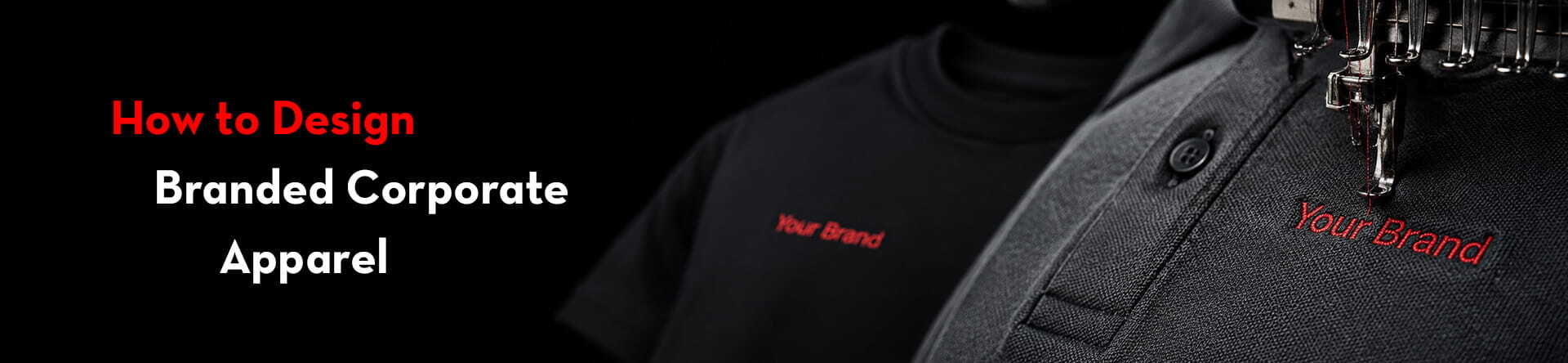
How to Design Branded Corporate Apparel
Once you've chosen the garments, you still need to decide how your branding should appear. This is where a little restraint can go a long way.
Logo Placement
Common branding locations include:
- left chest
- right chest
- sleeve
- back
- front centre
The best placement depends on the garment and the impression you're trying to create. A small embroidered logo on the chest can create a polished corporate look, while a larger back print might make more sense for event or promotional apparel.
Embroidery vs Printing
Embroidery can create a premium, professional finish and is commonly used for polos, shirts, jackets and corporate uniforms. Printing provides more flexibility for larger or more detailed designs and can work particularly well for T-shirts and event apparel. The right decoration method depends on the garment, artwork, quantity, budget and desired finish.
Keep the Brand Consistent
If different teams or locations are ordering apparel independently, things can quickly become inconsistent. Different shades of colour, different garment styles and different logo treatments can make a business look less cohesive. A clear apparel system helps avoid this.
Red Tomato In Practice
When Pirtek needed a more consistent approach to corporate apparel, we created a core range designed around the needs of different employees. Office teams received smart branded polos and shirts, sales staff had premium polos and jackets for client meetings, while operational teams were provided with durable workwear suited to their environment. Consistent colours, logos and branding kept everyone looking part of the same team. With an established apparel range in place, reordering replacements and outfitting new employees became simple and consistent.
Creating a Corporate Uniform Policy
If employees are expected to wear specific uniforms, it's worth documenting the expectations clearly.
A corporate uniform policy can cover things such as:
- which garments employees receive
- when uniforms should be worn
- acceptable combinations
- footwear requirements
- grooming or presentation expectations
- replacement processes
- care and washing
- what happens when an employee leaves
The policy doesn't need to be complicated. Its main purpose is to make expectations clear and ensure employees across the organisation are treated consistently.
For more guidance, see Corporate Uniform Policy: A Guide to Creation and Implementation.
More Than Just the First Order
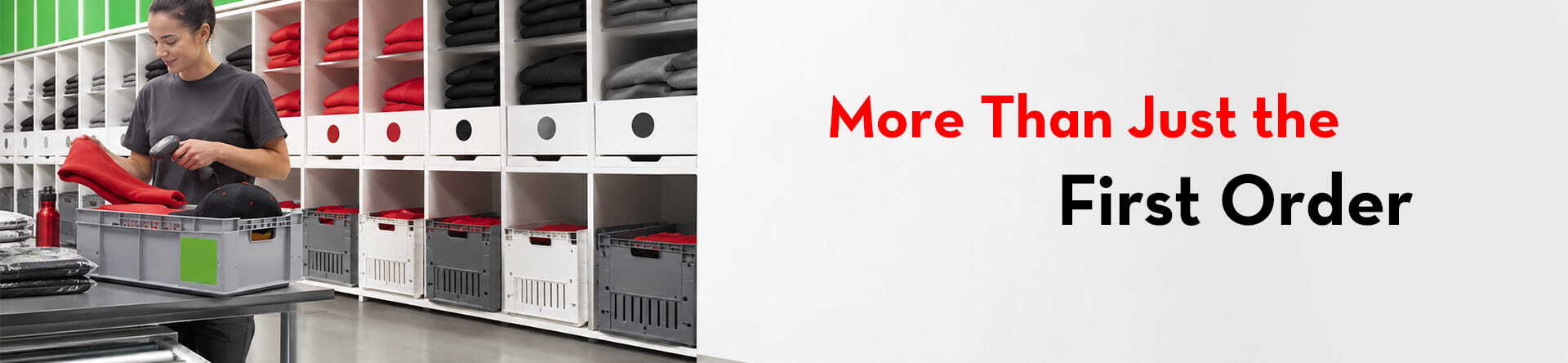
One of the things businesses sometimes overlook is what happens after the initial uniform order. People join and leave. Sizes change. Garments wear out. Teams grow. New locations open. If you're managing apparel for a larger organisation, you need a process for handling those changes.
Think about:
- who approves new orders
- where employees order replacement garments
- how stock is stored
- how sizing is managed
- how new employees receive their apparel
- how frequently garments are reviewed
- whether the same products will remain available over time
This becomes particularly important when you have multiple locations or a growing workforce.
Red Tomato Insight
Managing Corporate Apparel at Scale
Once you have more than one team or location, corporate apparel can become surprisingly difficult to manage. Someone needs to know which garments are approved, which sizes are available, where stock is kept and how employees can order replacements. Without a clear process, you can end up with different versions of the same uniform, discontinued garments or employees waiting weeks for something they need.
Centralise Your Apparel Range
One of the simplest ways to keep things manageable is to establish an approved range. Instead of letting every team choose its own garments, decide which products, colours and branding treatments are part of the corporate apparel program. This gives employees some choice while keeping the overall look consistent.
Plan for New Starters
If you're regularly hiring, think about how new employees will receive their apparel. Will it be ordered when they start? Will you keep common sizes in stock? Will someone manage the process centrally? This is particularly important for larger organisations where new starters may be joining across different locations at the same time.
Make Reordering Easy
Replacement orders shouldn't require someone to start the entire process from scratch. Having an established product range and ordering process makes it easier to replace worn garments, accommodate new employees and maintain consistency over time.
Red Tomato In Practice: Build the Program Before You Need It
When Kumho Tyres began expanding its team, we helped them plan their corporate apparel needs before orders became urgent. Together, we considered expected new hires, replacement garments, staff sizing, appropriate stock levels, storage and supplier lead times. A core apparel range and stock plan meant popular sizes and essential garments were readily available when needed. Instead of repeatedly starting from scratch, Kumho Tyres could easily manage new starters, replacements and ongoing orders as the business grew.
How Much Should You Budget for Corporate Apparel?
There's no single price for corporate apparel because the cost depends on what you're buying and how the program is structured.
Your budget can be influenced by:
- garment type and quality
- quantity
- branding method
- number of colours
- embroidery or printing
- packaging
- individual kitting
- storage
- fulfilment
- delivery
It's worth looking at the total cost of the apparel program, rather than focusing only on the price of an individual shirt. A cheaper garment may not necessarily be better value if it needs to be replaced more frequently or doesn't give employees a good experience.
Choosing Apparel That Employees Will Actually Wear
This is probably the most important consideration of all.
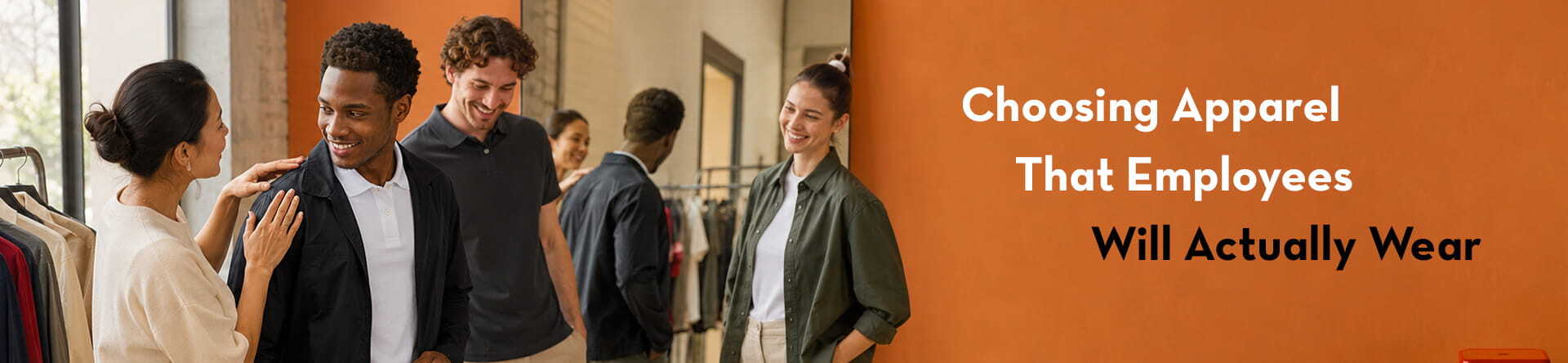
You can have a beautifully branded uniform, but if employees don't like wearing it, it isn't doing its job.
Before committing to a large order, consider getting samples and asking a few employees to try them.
Check:
- How does the garment fit?
- Is the fabric comfortable?
- Does it work across different body types?
- Is it suitable for the working environment?
- Does the branding look good?
- Is it easy to wash and maintain?
A small amount of testing upfront can save you from ordering hundreds of garments that don't quite work.
Red Tomato Insight
Red Tomato Checklist: Corporate Apparel
Before placing your next corporate apparel order, run through the basics:
✔ Define why you need the apparel
✔ Identify who will be wearing it
✔ Consider the working environment
✔ Choose garments based on comfort and function
✔ Consider your brand and desired look
✔ Decide how and where the logo will appear
✔ Test samples before placing a large order
✔ Establish your approved apparel range
✔ Document your uniform policy if required
✔ Plan for new employees and replacements
✔ Consider storage and fulfilment
✔ Review the total program cost, not just the garment price
More Corporate Apparel Resources
Want to explore specific ideas before making a decision?
-
Are Company Uniforms Necessary? Here's Everything You Need to Know - useful if you're still deciding whether a uniform is right for your business.
-
Top 5 Promotional Apparel Trends for Your Company Clothing - for inspiration on current apparel styles.
-
Top 5 Coolest Company Uniforms - examples and ideas for creating a more modern uniform.
-
Corporate Uniform Policy: A Guide to Creation and Implementation - practical guidance for establishing a uniform policy.
-
The Best Promotional Apparel for Events, Trade Shows & Employees - ideas for branded apparel beyond traditional uniforms.
Looking for Corporate Apparel for Your Team?
Choosing the garments is only one part of setting up a corporate apparel program. Red Tomato can help businesses source and brand corporate uniforms, workwear and promotional apparel, with solutions designed around your team, brand and requirements. Our team can assist with garment selection, custom branding and apparel solutions based on your team, brand, requirements and budget.
Ready to Build a Corporate Apparel Program That Works?
Tell us what you're looking for, who will be wearing it and what you're working with. We'll help you explore options that fit.